

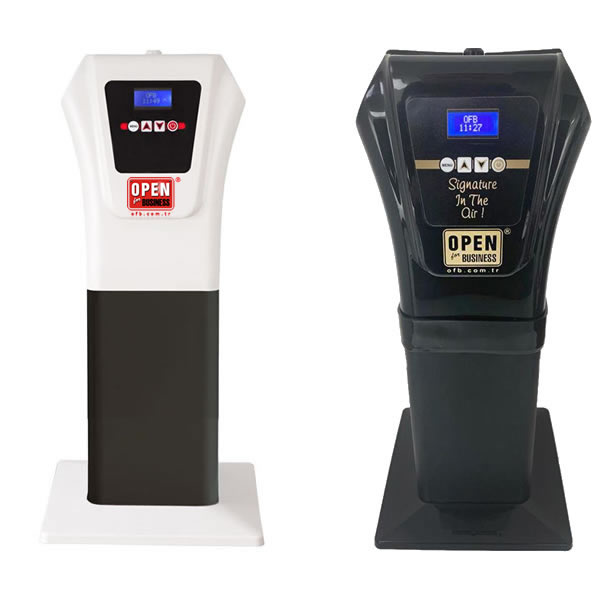
If you’ve only used consumer aroma diffusers at home, commercial scent diffuser machines can feel like a different category entirely—and they are. Businesses need consistent diffusion, predictable scent consumption, large-area coverage, and equipment that can run for long hours without performance drops.
In this guide, you’ll learn how to choose the right commercial scent diffuser machine based on your space, goals, and operating model—so you get a premium customer experience without wasting product or time.
1) Start With Your Goal: What Are You Trying to Achieve?
Before you compare machines, clarify the outcome:
- Brand signature scent: A consistent “smell identity” across branches and countries
- Customer experience boost: Longer dwell time, better mood, higher perceived quality
- Odor control: Neutralize unwanted smells (smoke, food, humidity, locker rooms)
- Operational comfort: More pleasant work environment for staff
Tip: If odor control is primary, choose a solution designed for odor neutralization, not just “nice smell.”
2) Coverage: Don’t Buy Based on “Marketing Square Feet”
Coverage is the #1 reason commercial scenting setups fail. Listings often show “max coverage,” but real-world coverage depends on:
- Ceiling height & open volume (m³ matters more than m²)
- Airflow (HVAC, doors opening, foot traffic)
- Layout (open plan vs many small rooms)
- Target intensity (subtle vs noticeable)
Rule of thumb (practical):
- If you need subtle ambient scent, a smaller system may be enough.
- If you need stronger branding scent in high-traffic retail, size up or use multiple units.
Best practice: Plan coverage room-by-room, not “total building area.”
3) Choose the Right Diffusion Technology
Commercial machines typically use one of these approaches:
A) Cold-Air Diffusion (Nebulizing)
Often considered the standard for premium commercial scenting. It atomizes fragrance oil into micro-particles without heat or water.
Pros
- Strong, consistent scent throw
- No added humidity
- Better for larger areas and luxury environments
Cons
- Requires quality oils and correct calibration
- Higher-end systems cost more upfront
B) Ultrasonic (Water-Based)
Common in consumer devices, sometimes used in small commercial spaces.
Pros
- Lower upfront cost
- Simple setup
Cons
- Adds moisture to air
- Often weaker scent projection
- Not ideal for large spaces or all-day operations
C) Fan / Cartridge / Passive Systems
More common in small rooms (restrooms, elevators), or for low-maintenance setups.
Pros
- Easy maintenance
- Predictable refills
Cons
- Limited coverage and intensity control
- Less premium scent experience
If you’re scenting a hotel lobby, showroom, or multi-branch retail: cold-air diffusion usually gives the most “brand-grade” result.
4) HVAC Integration vs Standalone: Which One Fits Your Space?
Standalone Commercial Scent Diffusers
Placed directly in the environment (lobby, entrance, open office).
Good for
- Single large areas
- Businesses without central HVAC
- Flexible seasonal placement
HVAC Scent Diffuser Systems
Diffuses scent through air ducts for even distribution.
Good for
- Larger venues (hotels, malls, offices)
- Multi-zone scenting
- Cleaner, less visible installation
Checklist before HVAC integration
- Do you have accessible duct points?
- Is airflow consistent across zones?
- Will you scent the whole building or only certain areas?
Pro tip: HVAC is amazing when done right—overkill when it’s not needed.
5) Control & Scheduling: The Difference Between “Okay” and “Premium”
Look for control features that match your operations:
- Intensity control (fine-grain levels)
- Daypart scheduling (stronger at peak hours, lighter off-peak)
- Smart controls (app, remote management for multi-branch)
- Lockable settings (avoid staff “random changes”)
For chains, remote control and standardization are huge: one signature experience across countries.
6) Fragrance Oil Quality: Your Machine Is Only Half the System
Even the best diffuser will underperform with low-quality oils. Evaluate:
- Stability & consistency batch-to-batch
- Clean diffusion (low residue)
- Scent profile design (brandable, not “generic air freshener”)
- Compliance and documentation (for commercial environments)
Recommendation: Build a signature scent library (core scent + seasonal alternatives) and standardize it.
7) Total Cost of Ownership: Think Beyond the Device Price
Don’t compare machines by price alone—compare total cost per month:
- Oil consumption (ml/day) at your target intensity
- Maintenance time (refill frequency)
- Consumables and parts
- Installation (especially HVAC)
- Multi-branch management cost
Simple ROI lens:
If scenting increases perceived quality, dwell time, or conversion rate—even slightly—commercial scenting can pay back fast.
8) Safety, Compliance & Practical Deployment
For commercial use, ask your supplier about:
- Proper placement (air return proximity, height, entry flow)
- Ventilation compatibility
- Documentation (SDS/MSDS where relevant)
- Best practices for hospitality / healthcare-like environments
And ensure your plan includes:
- A rollout test (1–2 weeks)
- Intensity calibration
- Staff instructions (who refills, who can change settings)
Quick Decision Guide (Cheat Sheet)
Choose a Standalone Cold-Air Diffusion Machine if you:
- Have a lobby/showroom/retail floor
- Want strong brand scenting
- Need flexible placement
Choose an HVAC Scenting System if you:
- Need even distribution across large spaces
- Have central ducting
- Want the most “invisible” deployment
Choose a Small-room System if you:
- Scent restrooms, elevators, corridors
- Want low maintenance for limited areas
FAQ
What is the best commercial scent diffuser machine?
The best machine is the one sized for your volume, airflow, and desired intensity. For premium environments, cold-air diffusion is often preferred.
How many scent diffuser machines do I need?
It depends on layout, ceiling height, and airflow. Open spaces may need 1–2 units; segmented venues often need multiple smaller units.
Is HVAC scenting better than standalone?
HVAC can be better for large buildings and even coverage, but standalone can outperform HVAC in single-zone spaces and is simpler to deploy.
Conclusion + CTA
Choosing the right commercial scent diffuser machine comes down to coverage reality, diffusion technology, control features, and oil quality. When these match your space and goals, scent becomes a measurable part of your brand experience—not an afterthought.
Want a quick recommendation?
Tell us your industry, area (m²), ceiling height, and whether you have HVAC—and we’ll suggest a setup and intensity plan.