

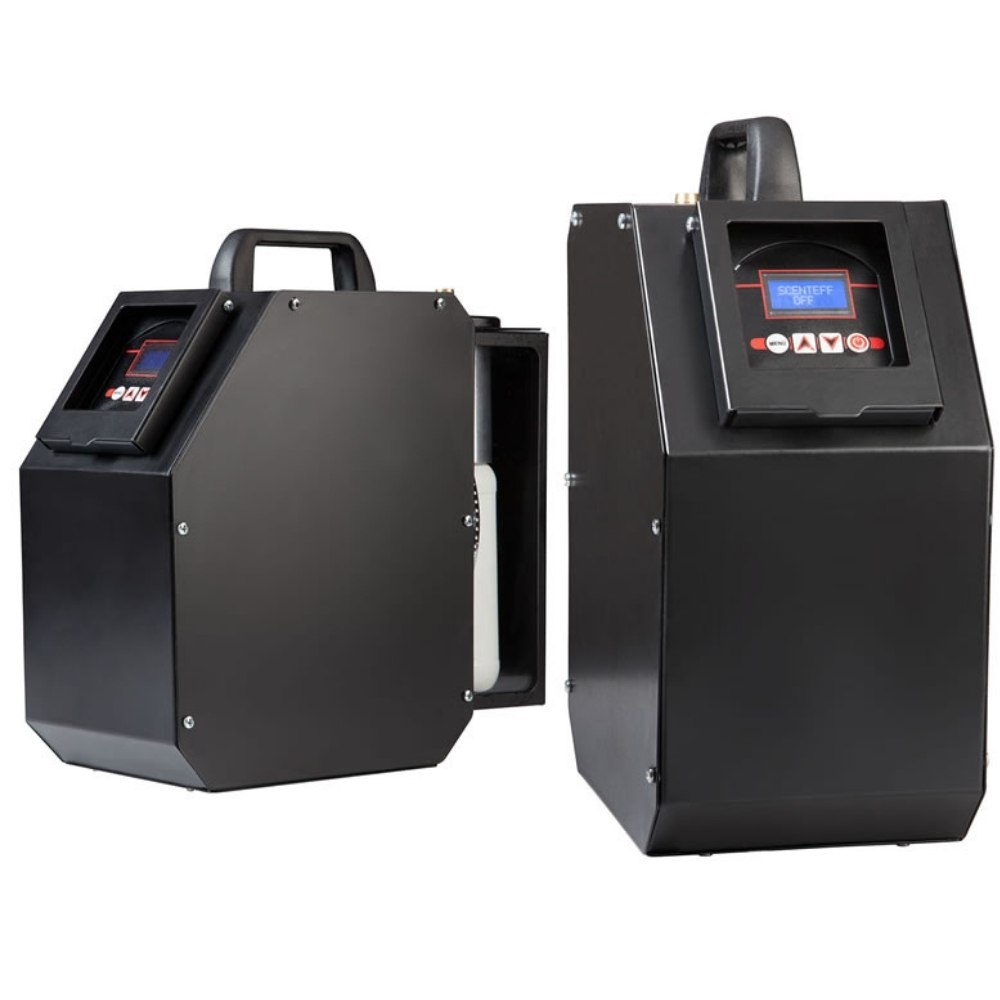
If you manage a hotel, office building, retail chain, or any large commercial space, you’ve probably noticed a common challenge: standalone scent diffusers can struggle to distribute fragrance evenly across multiple zones. That’s where HVAC scent diffuser systems come in.
In this guide, you’ll learn what HVAC scenting is, when it makes sense, what to look for in a system, and how to avoid the most common deployment mistakes.
What Is an HVAC Scent Diffuser System?
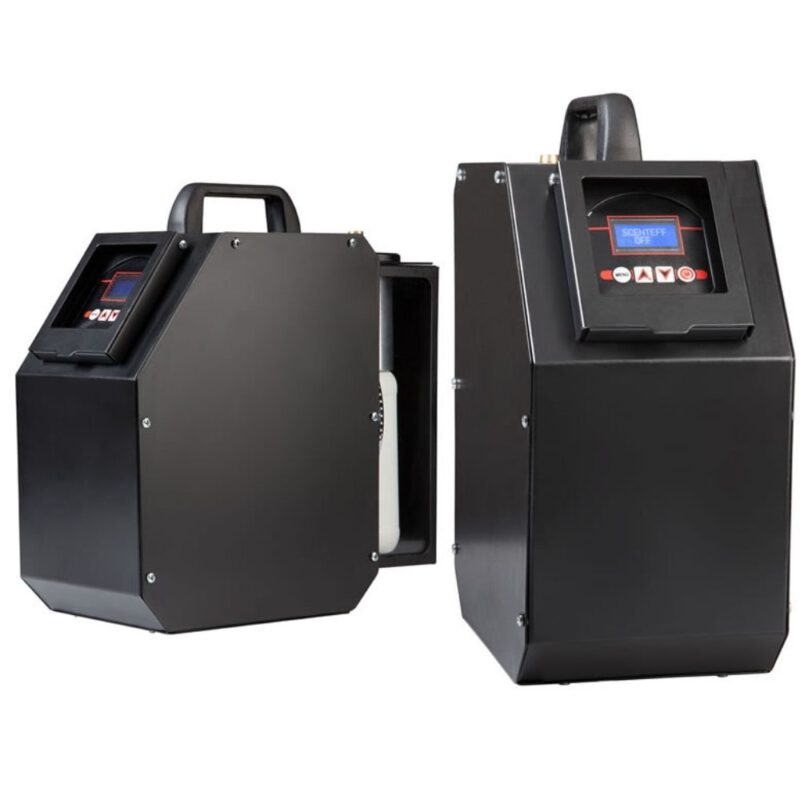
An HVAC scent diffuser system connects (directly or indirectly) to your building’s air ducts to distribute fragrance through the ventilation airflow. Instead of scenting one spot, HVAC scenting can help create a more uniform signature scent across larger areas—especially where multiple rooms, corridors, and open spaces are involved.
Most professional HVAC scenting solutions use cold-air diffusion (nebulizing) to atomize fragrance oil into micro-particles—without heat or water—so the scent can travel effectively with the airflow.
Key Benefits of HVAC Scenting
1) Even Distribution for Large Spaces
Hotels, malls, and multi-floor offices often have airflow patterns that make single-unit scenting inconsistent. HVAC integration can help fragrance reach more areas with less “hotspot” effect.
2) Cleaner, More Discreet Setup
Because the diffuser can be placed in a technical area (mechanical room, ceiling access points), the scenting solution can be nearly invisible to guests and customers.
3) Better Consistency for Multi-Zone Branding
If you want a signature scent that feels consistent—from the lobby to corridors and common areas—HVAC can support a more standardized sensory experience.
4) Efficient Operations at Scale
With proper calibration, HVAC scenting reduces constant device relocation and can simplify operations for large venues.
When HVAC Scenting Is the Right Choice (and When It’s Not)
HVAC scent diffuser systems are ideal when:
- you have large square footage and high foot traffic
- your space has central ducting
- you need multi-zone consistency (hotel corridors, office floors, retail chain flagship stores)
- you prefer a discreet installation
Standalone diffusers may be better when:
- you only need scent in a single zone (one lobby or one store floor)
- you don’t have stable duct access
- you want quick deployment without technical installation
A reliable provider will tell you honestly if HVAC is unnecessary—because HVAC scenting is powerful, but not always the simplest solution.