

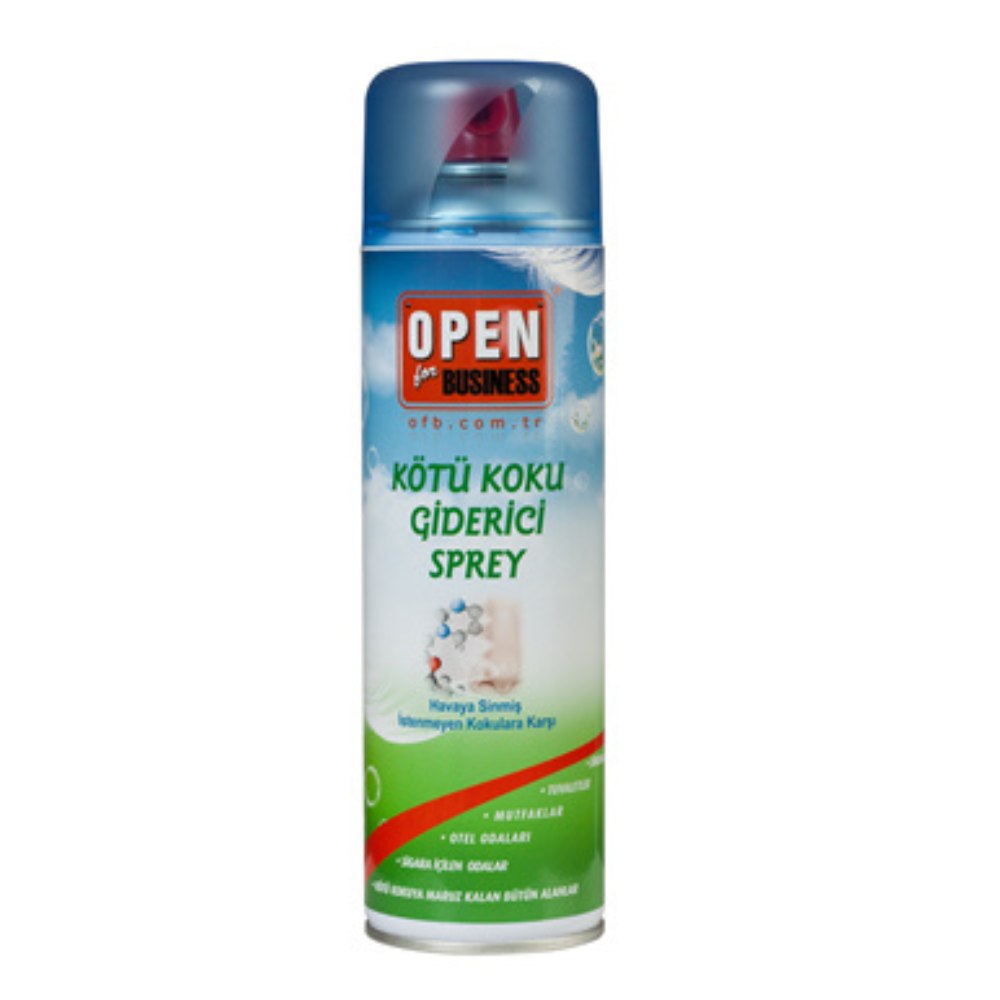
Unpleasant smell is one of the fastest ways to lower perceived quality in a space. Guests may not complain, customers may not mention it, but they remember it. That is why many businesses look for commercial odor control solutions.
When people search online, they often mix two different approaches: odor masking and odor neutralization. They are not the same. If you choose the wrong one, you can end up with a space that smells “perfumed” but still feels unclean.
This guide explains the difference in a simple way and helps you choose the right strategy for real commercial environments.
What Is Odor Masking?
Odor masking means adding fragrance on top of an existing smell. The bad odor may still be present, but the fragrance makes it less noticeable.
Masking can work when:
- the odor source is minor or temporary
- you want a quick improvement for a short time
- the space is low-traffic and ventilation is stable
But masking has a limit. If the odor is strong (smoke, sweat, humidity, food waste), fragrance can mix with it and create a worse result.
What Is Odor Neutralization?
Odor neutralization focuses on reducing the odor itself, not just covering it. In practice, this means using a solution designed to target odor molecules, so the space feels genuinely fresher instead of simply “smelling different.”
Neutralization is usually the better choice when:
- the odor is persistent (musty smell, smoke smell, sweat smell)
- the space is high-traffic (gyms, hotel corridors, busy restrooms)
- you need a “clean air” impression, not a perfume effect
Why Commercial Spaces Need a Hybrid Strategy
Many venues perform best with a two-layer approach:
- Fix or reduce the odor source (cleaning routines, ventilation, humidity control)
- Use odor neutralization where the problem is persistent
- Add a signature scent lightly for brand atmosphere (only after the base air quality is right)
This prevents the classic mistake: trying to solve a real odor problem with a stronger scent.
Where Each Method Works Best
Hotels
- Neutralization helps in corridors, lobbies, and high-turnover areas where odors can build up.
- Signature scent works best when kept controlled and consistent.
Gyms
- Neutralization is often essential because sweat odor is persistent and ventilation changes throughout the day.
Retail
- If odor is not the main issue, subtle scenting can improve atmosphere.
- If the store has humidity or storage odors, neutralization should come first.
Buying Checklist: What to Ask Before You Choose
Before selecting any odor neutralizer or scent system, clarify:
- What is the main odor type? (smoke, sweat, humidity, food, restroom)
- Is the odor occasional or constant?
- Is airflow strong? (HVAC, entrance doors, foot traffic)
- Do you want “fresh air” only, or also a “brand scent” experience?
If the odor is constant, start with neutralization and keep fragrance subtle.
Reference: OFB Products
If you want to review solution categories and product types as a reference while planning your setup, you can check OFB’s product section here:
https://ofb.com.tr/urunler/
You can also place the same link near your call-to-action for visitors who want to explore options:
https://ofb.com.tr/urunler/
Conclusion
The difference is simple: masking changes what you smell, while neutralization improves what you don’t want to smell. For most commercial odor problems, neutralization is the safer foundation. Once the air feels clean, adding a controlled signature scent becomes much more effective—and much more premium.